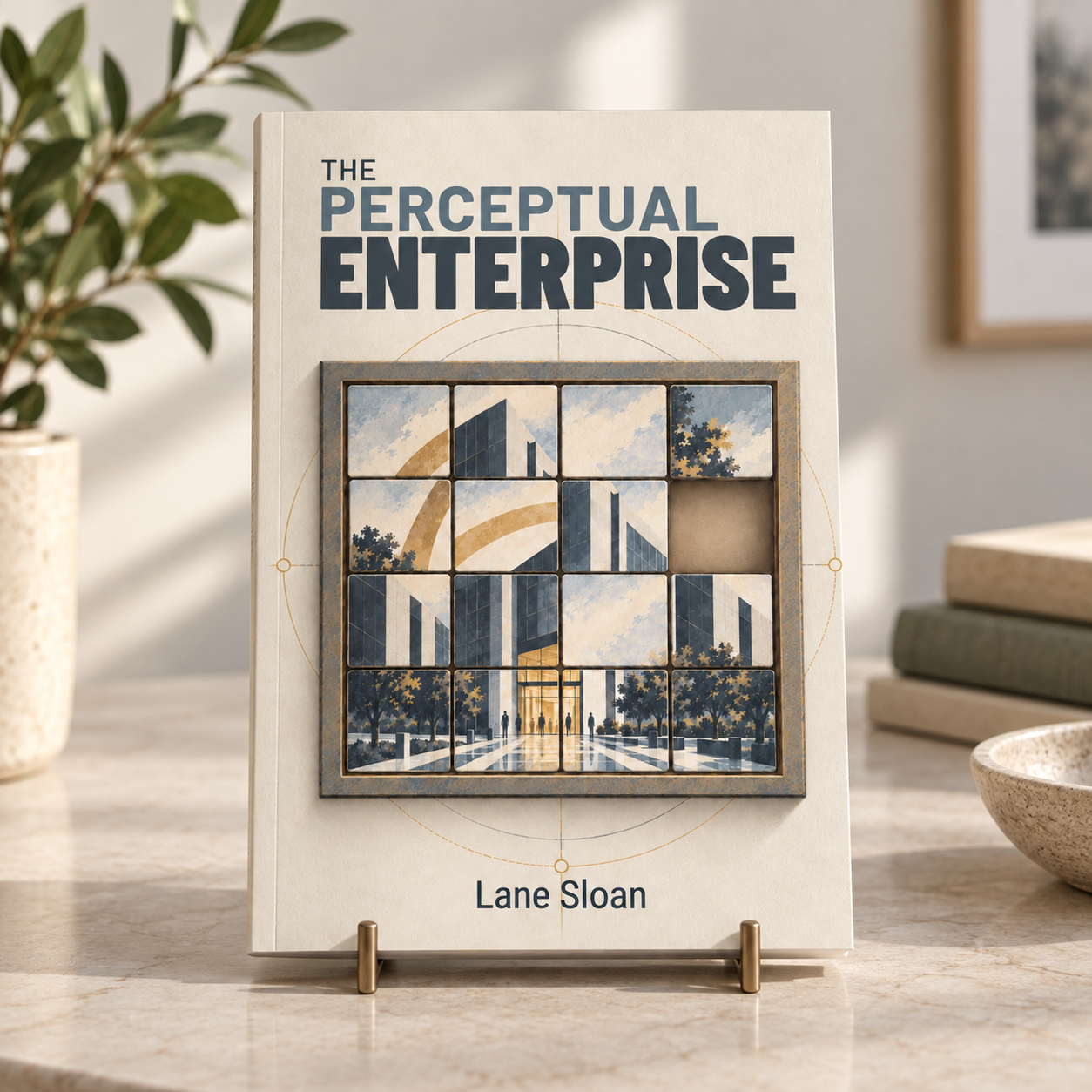

The Perceptual Enterprise
What Your Organization Can See
Determines What It Can Become.
See how your organization’s understanding of the world shapes its ability to perform, adapt, and grow.
Why Lane Wrote This Book
Helping Leaders See the Whole Enterprise.
Before asking "What should our strategy be?", Lane believes leaders need to ask something more fundamental: "What can our enterprise actually see?" In this short video, he explains how that question emerged from decades of experience and research, and why it became the foundation for this book.
The Question Before Strategy
What Can Your Enterprise See?
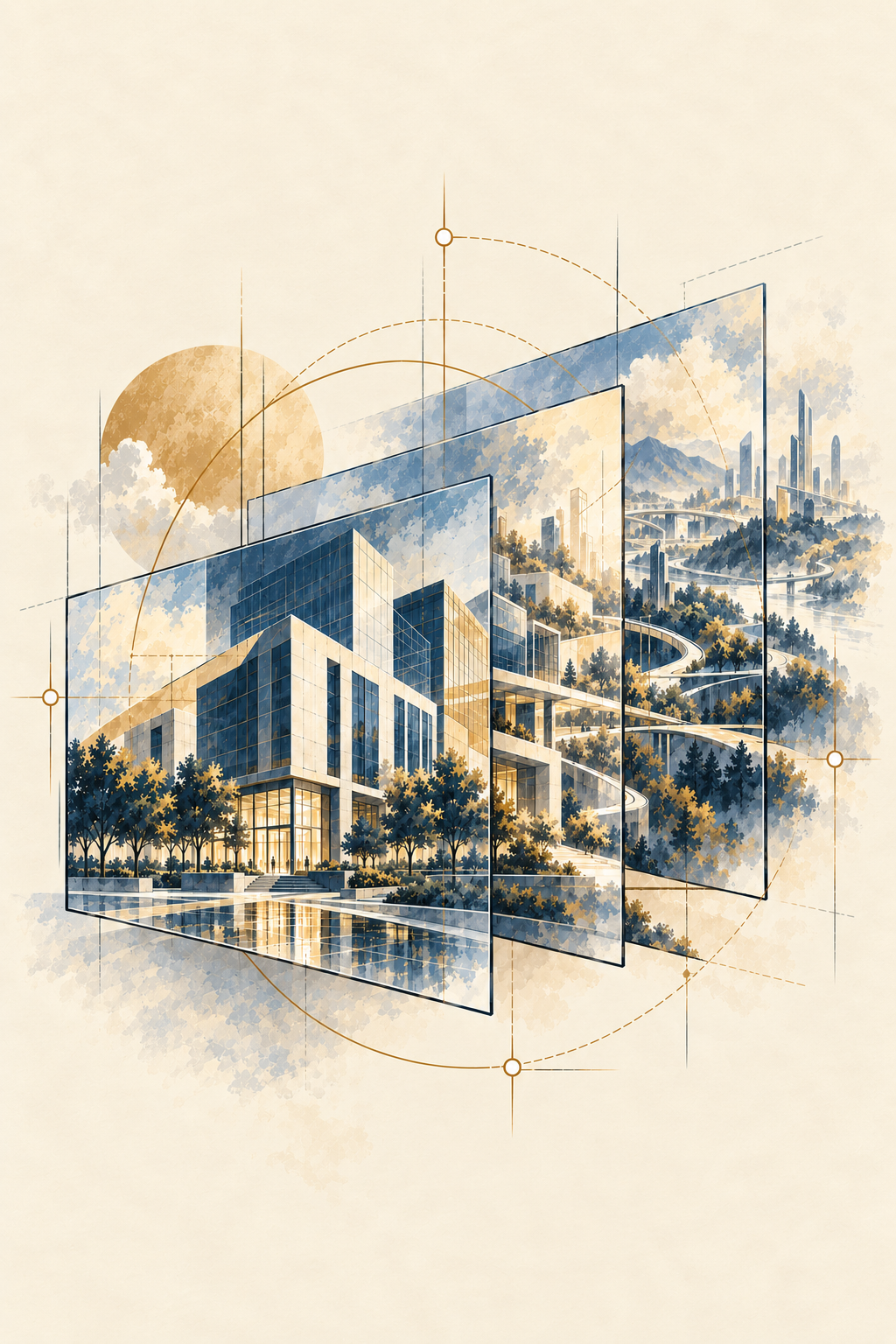
Most management books begin with a familiar question: what should we do? The Perceptual Enterprise begins one step earlier. Organizations do not respond to the world exactly as it is. They respond to the world as they perceive and interpret it. Over time, successful organizations develop shared assumptions about their customers, competitors, technologies, markets and even the business they are in. Those assumptions allow thousands of decisions to be made consistently. But when the world changes faster than those assumptions do, an enterprise can continue doing everything it knows how to do well—while becoming increasingly disconnected from the world around it.
An organization is more than its people, processes and strategies. It is a system for creating meaning, what Lane calls a perceptual enterprise.
How Organizational Perception Develops
How an Enterprise Learns to See.
An organization's view of the world develops over time. Each part of the cycle shapes what follows.
- The world as the enterprise sees it
- The world as it is now
- Unseen change
Stage 01
Experience
The organization learns from its markets, customers, decisions, successes and failures.
Success strengthens this cycle. Reconstruction begins with knowing when to question it.

The whole enterprise as one system.
Strategy, leadership, culture, organization, execution, innovation, and adaptation are brought together in an integrated architecture rather than treated separately.
Success as both strength and vulnerability.
The same assumptions and capabilities that create success can eventually make fundamental change harder to recognize.
Adaptation versus reconstruction.
The book distinguishes improving within existing assumptions from recognizing when the assumptions themselves must change.
Cases that make the architecture real.
Business examples show how these forces operate inside actual enterprises—not simply as abstract theory.
Built for continuous viability.
The objective is not simply managing today’s enterprise well, but preserving its capacity to recognize, reconstruct, and remain viable as its world changes.
What makes this book different?
Management Does Not
Happen in Pieces.
The Perceptual Enterprise offers a different way of understanding the enterprise: not as a collection of management disciplines but as one living, interacting system. It begins before strategy, with what an organization is capable of recognizing about a changing world.
Who This Book Is For
Written for Those Responsible
for the Whole Enterprise.
The Perceptual Enterprise is for readers who need to see how the parts of an organization work together, not just how each one works alone.
Senior executives and business leaders responsible for the viability and direction of the whole enterprise
Business owners and
entrepreneurs
navigating growth, technological change, and changing markets.
Board members and advisors who must challenge assumptions without managing the business themselves.
Consultants and professionals who need to understand how strategy, organization, culture, and execution interact.
MBA students and emerging leaders seeking an integrated way to understand how an enterprise actually works.

The Research Behind the Book
From Theory to Practice
The Perceptual Enterprise grew from Lane Sloan’s theoretical monograph of the same name, which provides its scholarly foundation. The book translates that academic view into a practitioner perspective, making the architecture accessible and useful to those who lead and manage enterprises. It also draws on practical insights from the broader ISLE Research program, extending the perspective across leadership, organization, adaptation, reconstruction and continuous viability.
The book is designed to stand on its own, so you do not need to read the theory first. For readers who want the formal foundation, the theoretical monograph develops the underlying scholarly argument in depth.
The Book
The Perceptual Enterprise
The Perceptual Enterprise is forthcoming. Purchase details will be added here when available.